A kitchen remodel, ADU, addition, or commercial improvement can involve hundreds of decisions before construction even begins. Knowing how to choose a design-build contractor helps protect your investment by placing design, budgeting, scheduling, and construction under accountable leadership from the start.
A design-build contractor is not simply a builder who recommends a designer. The right company manages the process as one coordinated team, translating your goals into plans that can be built properly, priced realistically, and completed with care. That structure can reduce handoffs and confusion, but only when the contractor has the experience, communication habits, and craftsmanship to carry the work through.
How to Choose a Design-Build Contractor for Your Project
Start by defining what success looks like beyond the finished appearance. A beautiful kitchen that does not improve storage, workflow, lighting, or durability is not a complete renovation. An addition that looks original to the home but creates budget strain or ongoing maintenance concerns may not be the right solution either.
Bring a clear list of priorities to your first conversation. Consider the way you use the space now, what is not working, your preferred materials, your target investment range, and whether you need the project finished by a particular date. A qualified contractor can help refine those priorities, but should not dismiss them or pressure you toward a one-size-fits-all scope.
The best fit depends on the project. A straightforward repair may only require a specialized trade. A major remodel, whole-home update, ADU, or addition benefits from a design-build team that can coordinate the larger picture before work begins.
Look for True Design-Build Experience
Ask how the company handles the design phase, who develops plans, and how design decisions connect to construction pricing. The answer should be specific. You should understand whether the contractor works with in-house design professionals, trusted architectural partners, engineers, and permitting specialists, as well as who remains your primary point of contact.
A genuine design-build process should address constructability early. That means discussing framing, electrical needs, plumbing locations, structural requirements, cabinetry clearances, material lead times, and permit considerations while the design is still taking shape. Early coordination is where design-build can save time and prevent costly revisions later.
Be careful with a contractor who offers a quick estimate from a few photos but cannot explain what is included, what assumptions were made, or what may change once plans are developed. Early budget ranges can be useful, especially when comparing options. They are not a substitute for a defined scope and detailed project agreement.
Verify License, Insurance, and Local Qualifications
California homeowners should confirm that a contractor holds the appropriate active license for the work proposed. Verify that the business name on the contract matches the licensed entity, and ask about general liability insurance and workers' compensation coverage. These are basic protections, not optional details.
For projects in Paso Robles and throughout San Luis Obispo County, local knowledge also matters. Coastal conditions, older homes, rural properties, hillside sites, septic systems, fire-related requirements, and local permitting processes can all affect a project. A contractor familiar with the Central Coast is better positioned to identify practical issues before they become delays.
Qualifications should extend beyond paperwork. Ask how long the company has been operating, what type of work it performs most often, and whether it has completed projects similar in scale and complexity to yours. Experience with bathroom remodels does not automatically translate to experience with structural additions or commercial tenant improvements.
Review Work for Craftsmanship and Fit
Photos are useful, but they are only the beginning. Look at completed work with a practical eye. Are tile layouts clean? Do cabinetry lines appear consistent? Are transitions between old and new spaces handled thoughtfully? Does the work reflect the style of the home, or does it look generic and disconnected?
Ask to see projects comparable to yours and request references from recent clients. A good reference conversation goes beyond asking whether the client liked the final result. Ask whether the contractor communicated changes clearly, maintained an orderly jobsite, honored commitments, handled issues professionally, and remained responsive after completion.
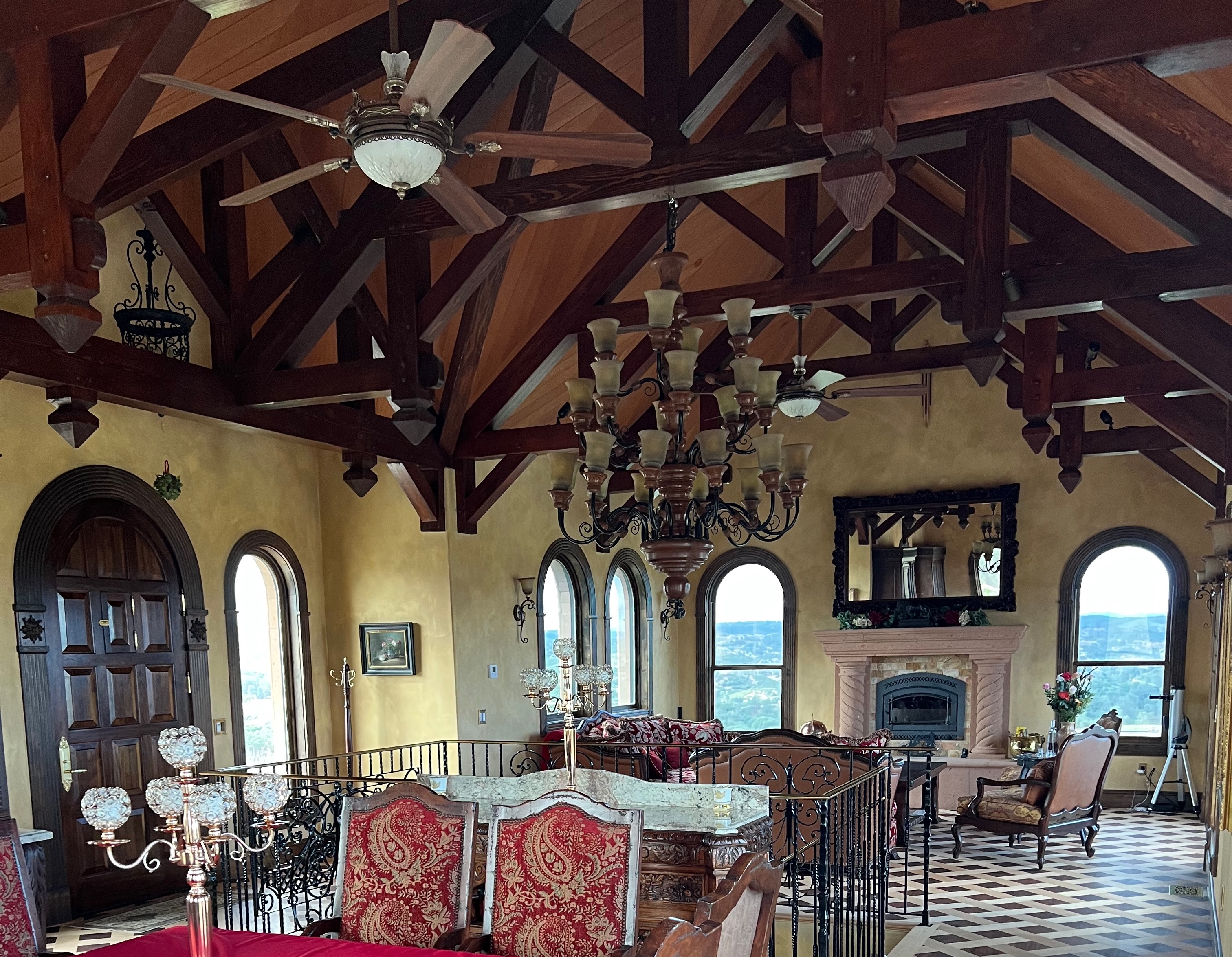
Craftsmanship is especially visible in the details that are easy to overlook during a first walkthrough: door and drawer alignment, trim work, finish consistency, waterproofing practices, hardware placement, and the clean integration of lighting and outlets. Premium work should feel intentional from every angle.
Ask How Pricing and Changes Are Managed
Price matters, but the lowest number is rarely the best measure of value. A lower bid can reflect a narrower scope, lower allowances, omitted preparation work, limited project management, or materials that do not match your expectations. Comparing totals without comparing details can create a false sense of savings.
Ask for a clear explanation of the proposed scope, allowances, payment schedule, exclusions, and contingency approach. Allowances are common for selections such as tile, plumbing fixtures, appliances, and lighting when final choices have not been made. What matters is whether the allowances are realistic for the quality level you expect.
You should also understand the change-order process before construction begins. Renovation work can reveal hidden conditions, particularly in older homes. The question is not whether every project will avoid surprises. The question is whether the contractor will document the issue, explain the options, provide pricing and schedule impacts, and obtain approval before moving forward.
Pay Attention to Communication Before You Sign
The preconstruction experience often predicts the jobsite experience. If calls are not returned, questions receive vague answers, or appointments are repeatedly missed before a contract is signed, those habits are unlikely to improve once the project is underway.
Ask who will manage the day-to-day work and how often you can expect updates. Some clients want weekly meetings and detailed progress reports. Others prefer concise check-ins with fast communication when decisions are needed. Either approach can work when expectations are agreed upon early.
A dependable contractor should be direct about timing. Material availability, permit review, weather, inspections, and client selections can affect a schedule. Be wary of promises that sound too perfect. A realistic schedule includes planning, coordination, and enough room to perform quality work without rushing critical steps.
Choose Accountability Over Convenience
A design-build contractor should make the process easier, not less transparent. One point of responsibility is valuable because it gives you a clear path for decisions and problem-solving. It should never mean that you are left without information about costs, design choices, timelines, or workmanship.
During your consultation, notice whether the contractor listens carefully and asks useful questions. The right team will discuss your vision while also addressing function, long-term value, code requirements, and practical construction realities. Professional guidance sometimes means recommending a better solution than the one you first imagined.
Ward Custom Construction approaches design-build renovations with that level of accountability: custom planning, licensed construction management, and precise execution from the first conversation through the final details. For homeowners and property owners making a significant investment, that coordination can make the difference between a stressful renovation and a well-managed transformation.
Choose the contractor who gives you confidence for the right reasons: clear scope, proven work, honest answers, reliable communication, and a standard of craftsmanship you can see. Your project deserves more than a good first impression. It deserves careful leadership all the way to completion.