


How Design Build Remodeling Works
- Harvey Ward

- 1 day ago
- 6 min read
A remodel usually gets harder the moment too many hands are steering it. One designer has one idea, the contractor has another, and the homeowner gets stuck in the middle trying to sort out pricing, plans, and schedules. That is exactly why many property owners ask how design build remodeling works and whether it gives them a cleaner path from concept to completed space.
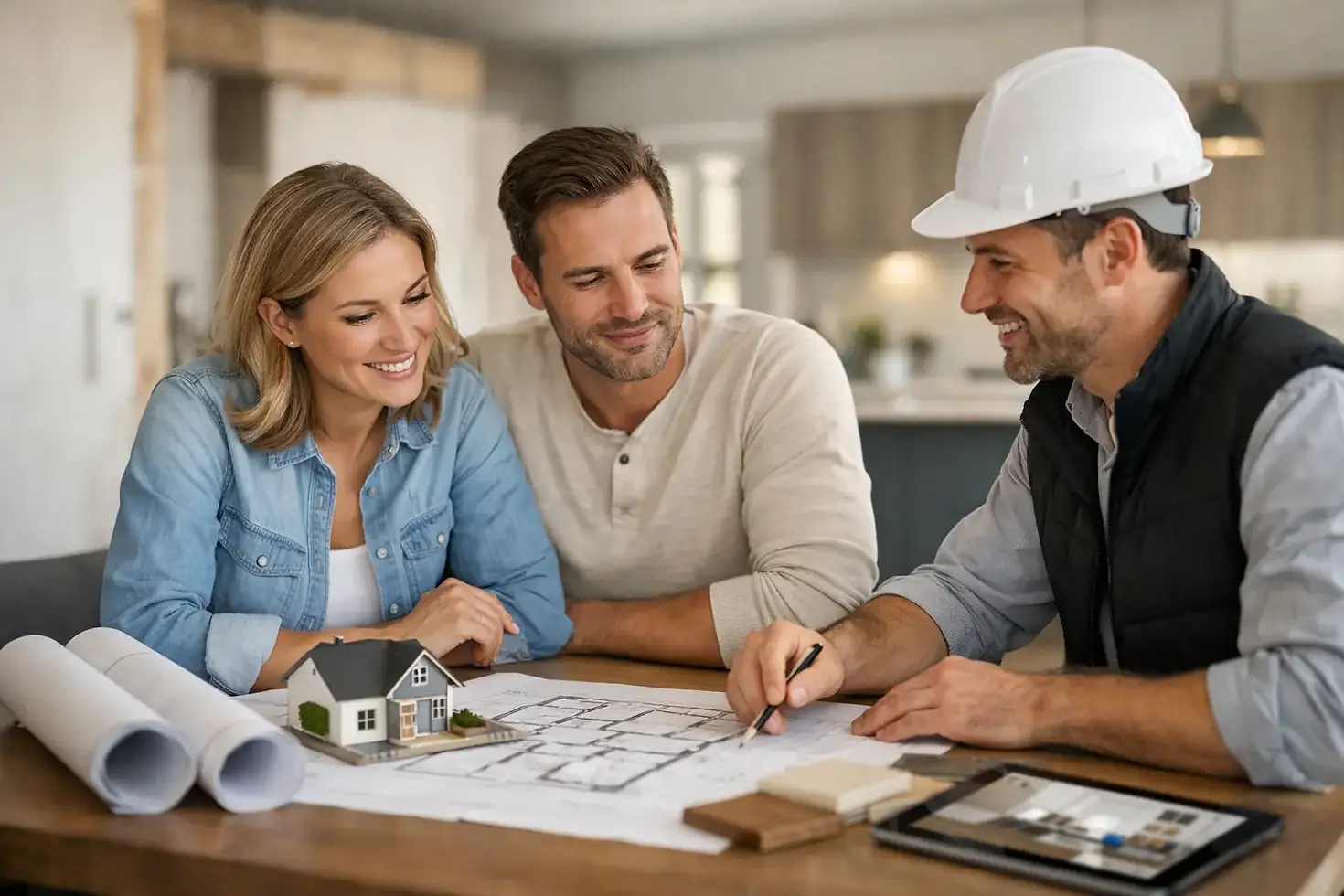
The short answer is simple. Design-build puts design, planning, pricing, and construction under one contractor-led team. Instead of hiring a designer first and then taking plans out for bids, you work with one company that develops the project and builds it. For homeowners and commercial clients, that often means better communication, fewer surprises, and stronger accountability from start to finish.
What how design build remodeling works really means
In a traditional project, the design phase and construction phase are handled separately. An architect or designer creates plans, then the owner hires a contractor to price and build them. That approach can work well, but it also creates a handoff point where details get lost, costs change, or expectations shift.
Design-build removes that divide. The same company manages the design intent and the execution. That matters because the team creating the plans is already thinking about budget, buildability, materials, schedule, and site conditions. The result is not just a set of drawings. It is a project developed with construction in mind from day one.
For a kitchen remodel, that could mean adjusting cabinet layouts early because plumbing locations, appliance clearances, and structural constraints are already being considered. For an addition or ADU, it may mean resolving scope, finish level, and permitting strategy before construction pricing drifts out of range. The process is more connected, and that connection is where a lot of value comes from.
How design build remodeling works step by step
The process starts with a conversation about goals, not blueprints. A good design-build contractor wants to understand how you use the space, what is not working, what style fits the property, and what level of investment makes sense. That first phase is where priorities get sorted out. Sometimes clients come in wanting a full transformation and realize that layout changes matter more than luxury finishes. Other times, they know exactly what they want and need a team that can carry it through correctly.
Initial consultation and project definition
Early meetings usually focus on scope, feasibility, and budget alignment. This is where the contractor asks practical questions that shape the project. Do you want more square footage or better use of the square footage you already have? Are you planning to stay in the home long term? Is this remodel meant to improve daily function, resale value, rental potential, or all three?
This phase matters because not every idea belongs in the same budget. A design-build team helps narrow the project into something clear and buildable. That protects the client from spending time and money designing a project that does not fit the property, timeline, or investment level.
Design development with construction input
Once the project direction is clear, the design side begins to take shape. Depending on the remodel, this may include layout plans, material selections, cabinetry concepts, finish details, engineering coordination, and code-related planning. The difference in design-build is that construction knowledge is part of the process the whole time.
That means if a certain beam will add major cost, the team can flag it early. If a tile choice will affect floor height transitions or waterproofing details, that gets addressed before materials are ordered. If custom cabinetry is the centerpiece of the room, dimensions and installation realities can guide the design instead of being treated as an afterthought.
This is one of the biggest advantages of the model. Design decisions are not made in a vacuum. They are tested against real-world construction conditions as the project evolves.
Budgeting and scope refinement
Many clients assume pricing happens after design is finished. In design-build, pricing often develops alongside the plans. That allows the team to refine scope before costs get out of hand.
For example, if the initial concept for a bathroom includes moving multiple plumbing lines, expanding a window opening, and specifying high-end stone throughout, the contractor can explain where the money is going and help decide what has the strongest impact. Sometimes the best move is to keep the footprint and invest more in custom finishes. Other times, layout changes are worth every dollar because they solve the real problem.
This part of the process is less about cutting corners and more about making informed choices. Good remodeling always involves trade-offs. The advantage of design-build is that those trade-offs are discussed early, when changes are still manageable.
Permits, planning, and scheduling
Once the scope and design are defined, the project moves into pre-construction. This typically includes permit preparation, final selections, scheduling, procurement planning, and coordination of labor and materials.
A lot of project risk lives in this stage. Long-lead items, inspection timing, structural reviews, and site logistics can all affect the build. When one contractor is managing the full process, there is usually less finger-pointing and better control over sequencing. The team knows what was designed, what was approved, and what needs to happen on site.
That does not mean every project moves fast. Permit timelines, product availability, and hidden conditions behind walls can still affect progress. But design-build usually puts the client in a better position to manage those issues because communication stays centralized.
Construction and project management
When construction begins, the same team that helped shape the project carries it forward. That continuity is a major reason property owners choose this model. The people responsible for the plans are connected to the people responsible for execution.
On site, that shows up in practical ways. Questions get answered faster. Field adjustments are easier to evaluate. Finish details can be protected because the original design intent is still part of the conversation.
For higher-end renovations, this matters even more. Custom work depends on precision. Cabinet alignment, trim transitions, tile layout, fixture placement, and finish coordination all need close attention. A design-build contractor is not just trying to finish the job. They are trying to deliver the space as it was intended.
Where design-build works especially well
This approach tends to be a strong fit for kitchens, bathrooms, additions, ADUs, whole-home renovations, and commercial improvements where many moving parts need coordination. These projects often involve layout decisions, finish selections, code requirements, and budget balancing all at once.
It is especially helpful when clients want guidance, not just labor. Some owners already have completed plans and only need a builder. Others want one trusted company to guide design choices, manage permits, and handle construction without sending them from one vendor to the next. Design-build serves that second group particularly well.
In areas like Paso Robles and the Central Coast, where property types, older homes, and local permitting conditions can vary, experience also matters. A contractor who understands both design and execution can often identify issues before they become expensive delays.
The trade-offs to understand
Design-build is not magic, and it is not the only valid project delivery method. Some clients prefer to hire an independent architect first and then competitively bid the work. That can make sense for highly specialized projects or owners who want separate contracts for design and construction.
The trade-off is that separation can create more complexity. If plans come in over budget, redesign may be needed. If a contractor sees practical issues in the drawings, revisions may follow. Responsibility can become harder to track when different parties control different phases.
With design-build, the main benefit is unified responsibility. The same company owns more of the outcome. That can simplify decision-making, but it also means choosing the right contractor matters even more. You are not just hiring a builder. You are hiring a process, a communication style, and a standard of craftsmanship.
What to look for in a design-build contractor
If you are comparing contractors, look beyond the sales pitch. Ask how they handle budgeting during design, how they communicate schedule changes, and who is responsible for selections, permits, and field coordination. Look for a company that can explain the process clearly and back it up with real project experience.
You also want to see evidence of craftsmanship. Design-build works best when the builder has strong execution standards, not just polished presentations. Detailed finish work, reliable scheduling, and practical jobsite management all matter. The entire point of the model is that one team can carry quality from concept through construction.
Ward Custom Construction has built its reputation around that kind of accountability - contractor-led service, custom work, and precision-driven execution that respects both the design and the build.
A good remodel should not leave you managing a chain of disconnected decisions. The best projects move forward with clear planning, honest pricing, and workmanship that holds up long after the dust settles. That is what design-build is supposed to deliver when it is done right.


Comments